
Max Gawryla, Trustee and Demogod at VoNCon, discusses the magic of gaming: what is the magic circle and why does it draw people in?
When a group of people sit down to play a game together, something subtle happens.
Although they may be sat around a table in a community centre in the Vale of Neath on a quiet Wednesday evening or Saturday afternoon, the cardboard between them becomes meaningful and a shared, temporary world comes into being.
Scholars who study games and play (ludologists) have a term for this phenomenon: the magic circle. This concept helps us understand why games and play in general is so important.
The magic circle was first described in 1938 by a historian and cultural theorist named Johan Huizinga (although it didn't actually acquire its name until it was expanded on in a paper about game design theory in 2003).
At its core, this concept describes how games create imagined worlds which don't exist beyond the game itself.
While it fundamentally exists in all forms of play, board games are perhaps the clearest expression of the magic circle. When a group sits down to play a game, a wooden cube may become an industrious city; plastic trains may become the sprawling network of a budding rail tycoon; a roll of the dice may be the difference between life and death.
These interpretations of otherwise mundane objects all stem from the implied consent from everyone at the table to treat the game as meaningful. At its core, this agreement is what makes the magic circle work.
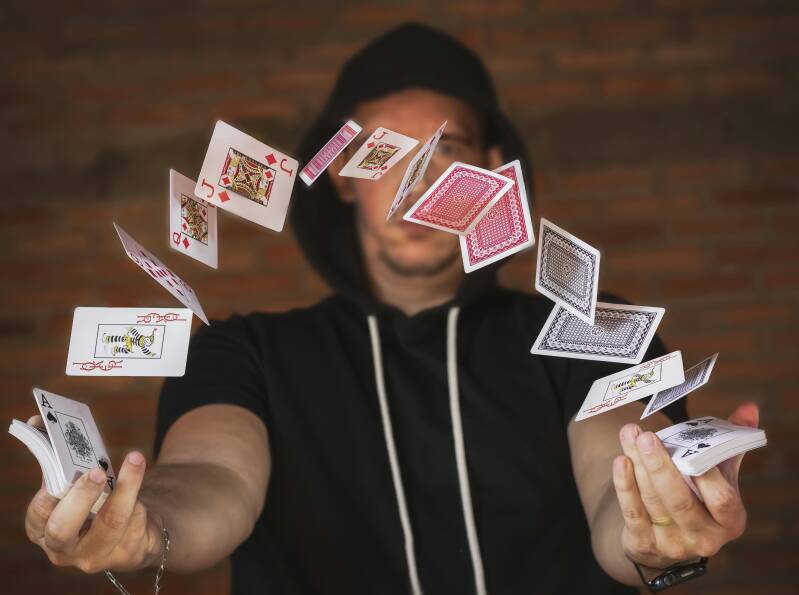
What does this magic circle accomplish?
One of the most powerful implications of the magic circle is that it creates a low-risk environment for thinking and experimentation.
Negotiation games like Bohnanza or Settlers of Catan allow us to push boundaries and leverage other people’s positions for our own gain. Strategy games like Lords of Waterdeep or Quacks of Quedlinberg let us explore long-term planning without experiencing catastrophe if everything goes off the rails, Then we have abstract games like Calico or Azul, which help us to practice pattern recognition, puzzle solving and short-term tactics.
Sure, losing a game can be frustrating, but it never carries the same costs of failure as failure in everyday life. This makes the magic circle a kind of sandbox for decision making and simulates human interactions with a safety net firmly in place.
While the magic circle separates play from ordinary life, it also brings people together in a unique way.
In an age where loneliness and social isolation are greater concerns than ever, board games offer something increasingly rare: structured face-to-face interaction. Within the circle, everyone shares a common goal, rules provide clarity and reduce social ambiguity, and participation is ensured through turn-taking.
By engaging in the magic circle, the pressure can be taken off direct social performance and the shared engagement can strengthen relationships and encourage empathy through perspective shifts.
Even competitive games can foster connection as the rivalry occurs within the agreed-upon space of the game; no matter what happens within the game, the circle ensures relationships remain intact in the real world.
So, the magic circle enables interaction and, more importantly, actually encourages it.
In everyday life, reaching out socially can feel uncertain or vulnerable, but a game provides the method of interaction. Because this interaction is governed by rules, it can feel safer and more predictable.
Over time, repeated participation can transform acquaintances into friends.
VoNCon was founded to foster friendships and provide an opportunity for individuals to find their community. What may look like some cardboard and plastic pieces is in fact a social space that allows us to practice being human in a safer and more fun way. In other words, join us and become part of the magic circle.
About the author
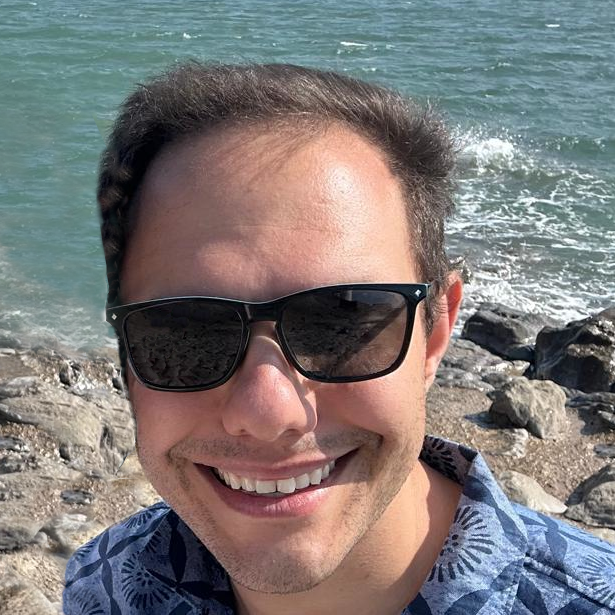
Max Gawryla is a Trustee at VoNCon, leading our outreach and fundraising events. He also volunteers as a Demogod at VoNCon's gaming sessions on the first Saturday of the month at Bryncoch Community Centre.
Please add a comment below or contact Max through info@voncon.org to discuss his post.
Add comment
Comments